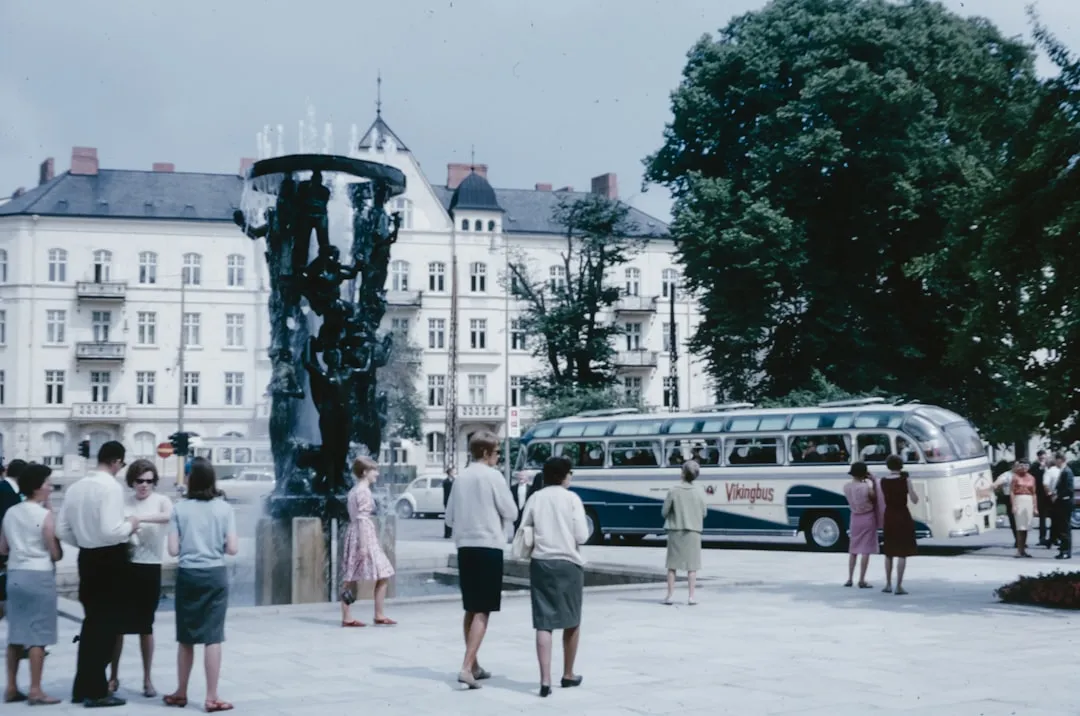
Coach-Ready Destinations in Europe: The Infrastructure Gap
Accessibility first: the problem the sector still hasn't solved
A destination can have breathtaking scenery, centuries of history, and a full calendar of attractions. If it isn't reachable by coach, it stays off most group travel itineraries. That's the practical reality thousands of European coach operators face every season, not a shortage of interesting destinations, but a shortage of destinations that can actually handle organised group arrivals.
This goes well beyond road quality. It covers dedicated coach parking, functional passenger drop-off and pick-up points, group services on arrival, and a tourism planning culture that treats collective transport as central rather than an afterthought. When these elements are missing, operators either drop the destination from the programme or absorb the operational friction, which translates directly into higher costs and a worse experience for passengers.
Understanding which destinations are genuinely coach-ready, and which are not, has become a strategic filter for anyone planning routes and fleet composition in European group travel.
The Swedish model: a practical framework worth studying
Sweden offers a concrete reference point. Sveriges Bussföretag, the Swedish bus and coach operators' federation, has developed a practical guide for destinations looking to attract organised coach tourism. The project, produced in partnership with the regional tourism organisation of Södermanland, includes an operational checklist, case studies, and audiovisual materials showing how structured cooperation between destinations and coach operators can generate a measurable increase in visitor flows.
Anna Grönlund, Deputy Managing Director of Sveriges Bussföretag and Vice President of IRU, summed up the approach directly: "Many destinations focus on what visitors will experience once they arrive. We encourage them to take a step back and ask how visitors will get there." As reported by IRU, the focus is on the practical details that are routinely overlooked: coach parking, convenient pick-up points, group facilities, and closer working relationships with tour operators.
The Swedish starting point is geographically telling. Many of the country's major attractions sit outside large urban centres, in rural areas where rail services are thin and public transport limited. In those contexts, the coach isn't an alternative to the private car, it's the only practical option for organised groups. The same logic applies to dozens of European regions: rural Poland, inland Portugal, historic villages in central Italy, mountain areas across central Europe. The infrastructure challenge is not uniquely Scandinavian.
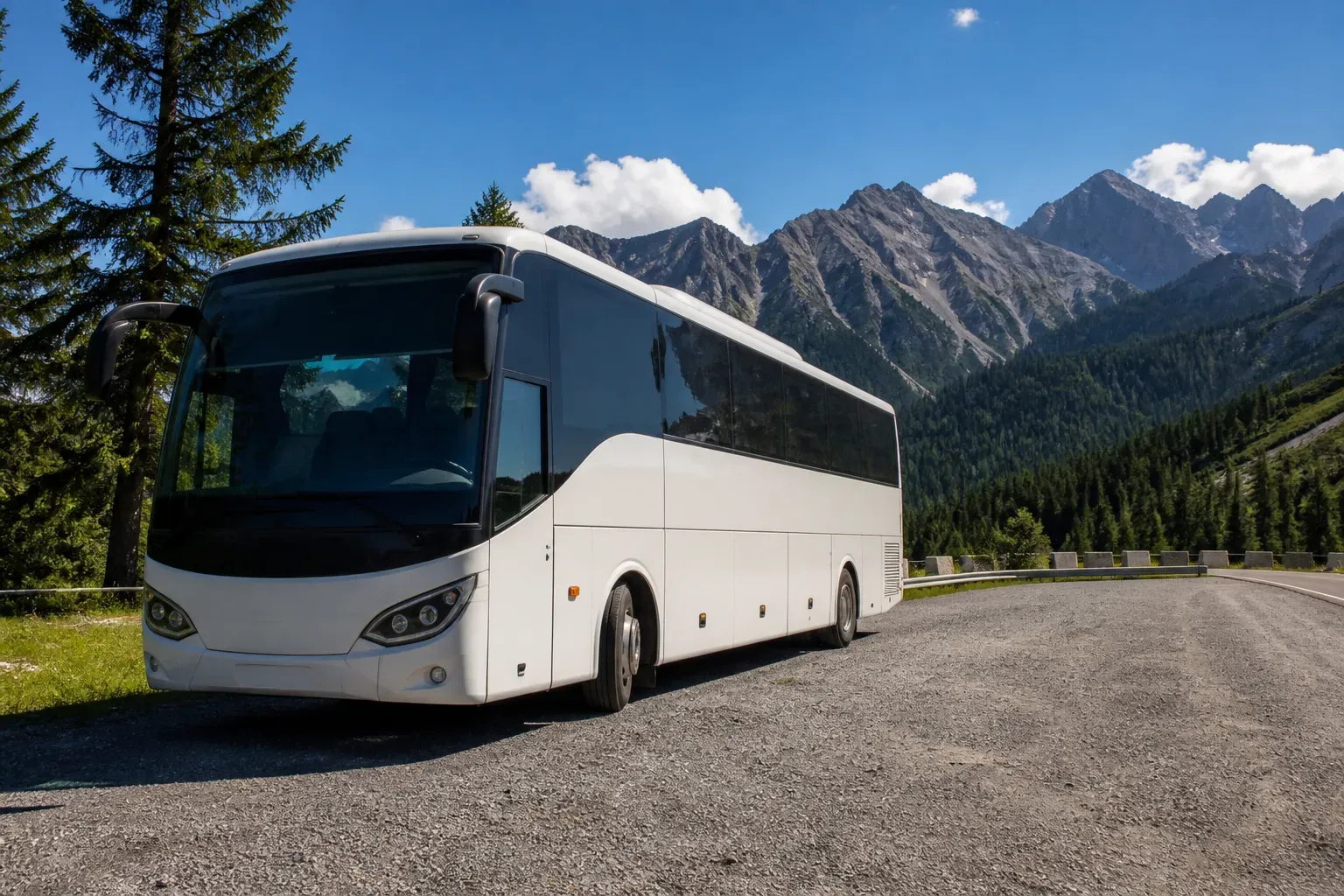
The infrastructure gaps that hurt operators most
The shortcomings that make a destination non-coach-ready operate on several levels, and operators know them well because they run into them every season.
The first is physical: absent or undersized coach parking. Many European historic centres, primary targets for international group tourism, simply have no spaces dimensioned for vehicles over 12 metres. Where parking does exist, it's often too far from the attraction to be practical for groups that include older travellers or passengers with reduced mobility.
The second is organisational: the absence of dedicated drop-off and pick-up zones forces drivers into improvised solutions that can mean fines, delays, and safety issues. Across many European cities, low-emission and restricted-traffic zones have expanded without any provision for pre-booked tourist coaches, effectively cutting off vehicles from areas that were historically accessible.
The third is relational: the disconnect between destination management organisations and coach operators. As the Swedish experience documented by IRU shows, regional tourism bodies are gradually recognising coach operators as genuine development partners. But that shift is uneven and slow across the continent. Where the relationship doesn't exist, operators plan routes without reliable access information and sometimes discover the problems only after the journey has started.
Rural tourism, coaches and local economic development
There's an economic dimension to this that extends beyond fleet logistics. As IRU reports, tourism is one of the few sectors continuing to create employment across rural areas in Sweden. Visitors sustain hotels, restaurants, attractions and local businesses. Making these destinations accessible by coach multiplies visitor flows without adding private vehicles to local roads, a clear benefit for both environmental sustainability and the quality of the visitor experience.
Coaches play a specific role that no other mode of transport can replicate at scale: they connect places that are difficult or impossible to reach by conventional public transport, bringing organised groups, school parties, international visitors, older travellers and families. When a rural destination ceases to be coach-accessible, it effectively closes itself off to all of those segments.
For fleet operators, this dynamic has direct implications for vehicle mix. Routes serving coach-ready destinations allow full use of high-capacity vehicles, keeping the cost per passenger down. Routes to destinations with inadequate infrastructure push operators toward smaller vehicles, greater operational flexibility and often longer journey times, all of which affect the economics of each run.
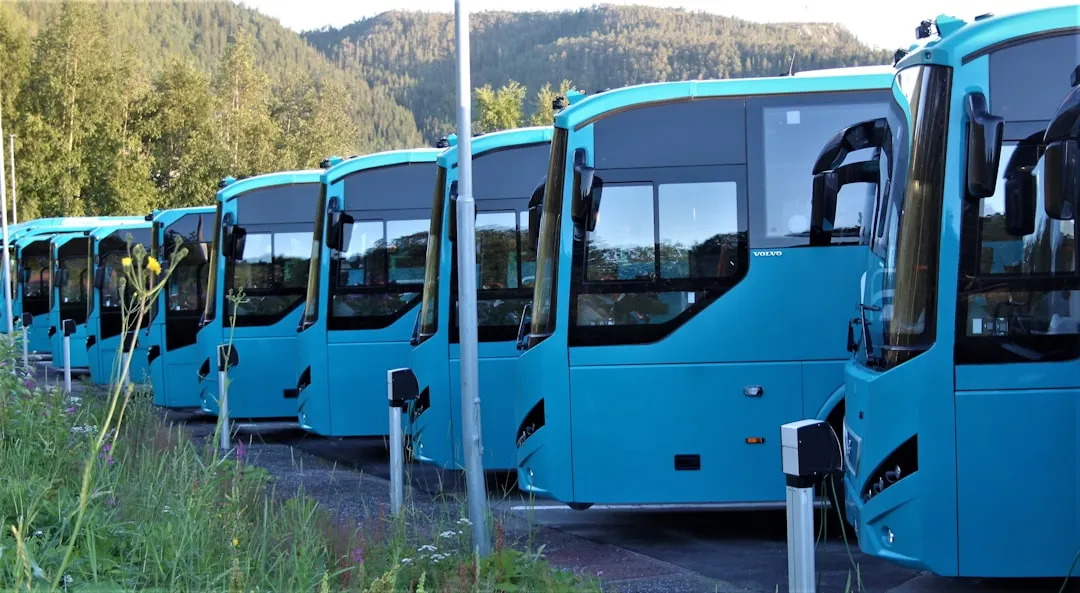
How the infrastructure variable reshapes fleet planning
Infrastructure availability influences purchasing and fleet renewal decisions more directly than operators sometimes acknowledge out loud. A market of progressively coach-ready destinations justifies investment in high-capacity, high-comfort vehicles built for medium-to-long routes with quality-conscious passengers. A fragmented market, where destinations are only partially accessible, pushes fleets toward a mixed composition that's harder to optimise.
The work carried out by Sveriges Bussföretag, documented by IRU, points toward one clear direction: structured collaboration between operators and destination organisations can change access conditions over time, turning today's awkward stops into routes that appear consistently on itineraries. That's not just good news for local communities. It's a potential expansion of the addressable market for coach operators willing to invest in relationships with regional tourism partners.
Anyone planning fleet renewal heading into the summer season needs to factor in this horizon. Coach-ready destinations in Europe are not evenly distributed: some regions are actively investing in infrastructure upgrades, others are falling behind. Mapping that distribution, building relationships with regional tourism organisations, and positioning on the most accessible routes is a strategic decision that comes before any choice about which vehicle to buy.
As Grönlund noted in statements reported by IRU: "When destinations work with coach operators from the start, they become more accessible, reach new markets and can grow tourism in a more sustainable way." That formula holds in Sweden. It holds across every European market where demand for organised group travel exists but infrastructure hasn't kept pace.
Used Isuzu Novo 2023: 26 seats, Euro 6, 120,007 km
Used Isuzu Novo 2023 city bus with 120,007 km: discover what Fleequid's TrustReport found on the engine, automatic gearbox and bodywork. Real data, full inspection online.
Used Mercedes-Benz Citaro 2019: 35 seats, Euro 6, 547,211 km
Used Mercedes-Benz Citaro 2019, 547,211 km, 94 total capacity and manual disabled ramp. See what the Fleequid TrustReport found across 150+ inspection points, Euro 6 engine, automatic gearbox.